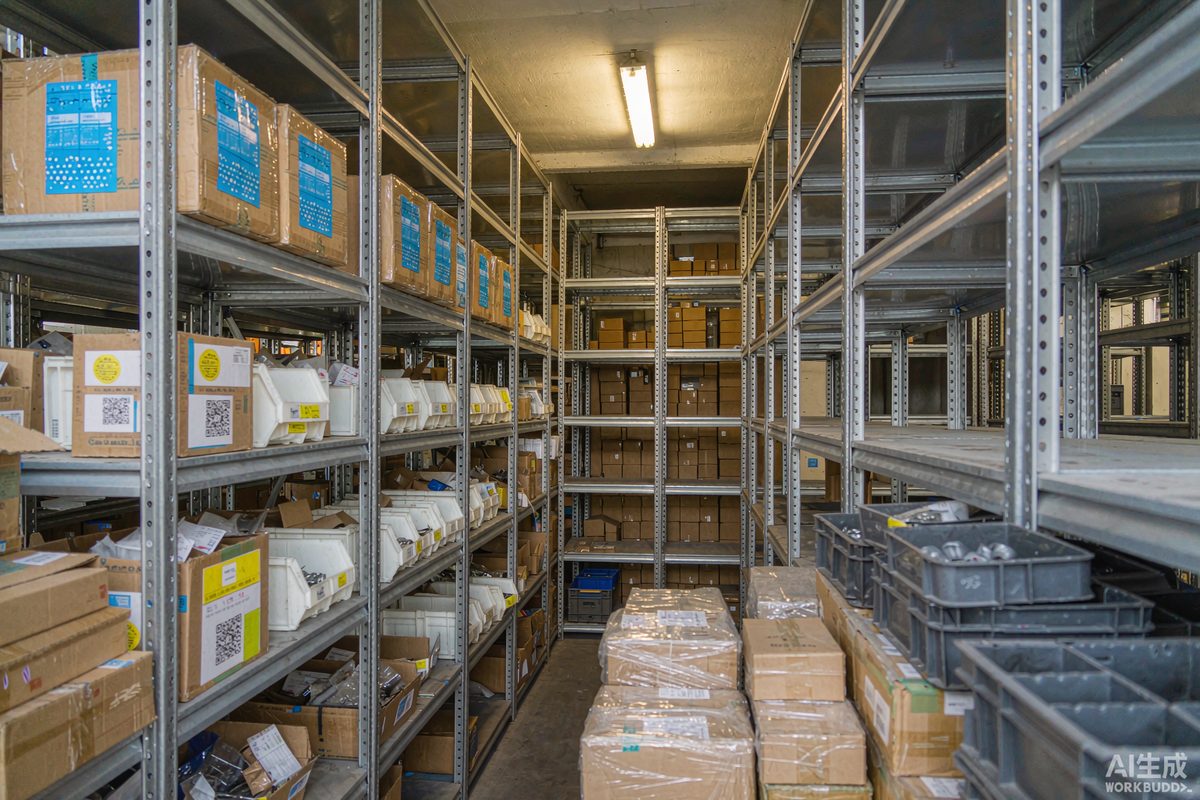
Equipment makers rarely need "a supplier" — they need a supply chain that matches how they build. Some want a kit of parts arriving in one box, ready for their own assembly line. Others want a sub-assembly, or a complete machine built to their drawings and shipped under their brand. Both are achievable, but they must be defined clearly from the start.
1. Three supply modes
| Mode | What you receive | Best when |
|---|---|---|
| Component kitting | All parts for one machine, labelled and packed per assembly station | You assemble in-house and want to cut purchasing and goods-in handling |
| Sub-assembly | A built and tested unit (gearbox assembly, frame + shaft assembly, agitator assembly) | The sub-assembly is labour-heavy but not your core process |
| Complete machine | Finished machine, tested, packed, with documentation | You sell under your own brand and want a manufacturing partner |
2. Kitting: where the savings actually are
- Fasteners, washers, seals and small parts are the items that cause line stoppages — kitting eliminates "missing 4 bolts".
- One purchase order and one shipment instead of ten suppliers and ten goods-in inspections.
- Packing per assembly station (bag A for station 1, bag B for station 2) cuts handling time on your floor.
3. Assembly support: what must be agreed in writing
- Torque values and tightening sequence for structural and high-strength joints
- Lubrication and sealing specifications before closing housings
- Run-in / test procedure: duration, load, what is measured (temperature, vibration, noise, leakage)
- Acceptance criteria — stated numerically, so "pass" is not a matter of opinion
4. Export packing for complete machines
Machines fail in transit for predictable reasons: insufficient blocking, no moisture protection, no shock indicators. Specify: heavy-duty fumigated wooden case, internal blocking and bracing, VCI or desiccant for moisture, tilt/shock indicators, and a packing list fixed to the outside of the case.
5. Documentation package
- Assembly drawings and parts catalogue with part numbers
- Operation and maintenance manual in the required language
- Electrical / hydraulic schematics where applicable
- Spare parts list with recommended stocking quantities
- Material certificates for load-bearing and pressure-containing parts
6. After-sales: ship the spare parts with the machine
The cheapest spare part you will ever ship is the one inside the machine crate. Add a commissioning spares kit (seals, belts, fasteners, the two most likely wear items) — it costs little and it is the difference between a happy customer and an angry one.
7. What we can support
- Fastener kits per machine: standard and non-standard, labelled per assembly
- Machined components and shaft assemblies to drawing
- Structural and frame parts, welded and machined
- Wear parts and spare part packages for after-sales supply